
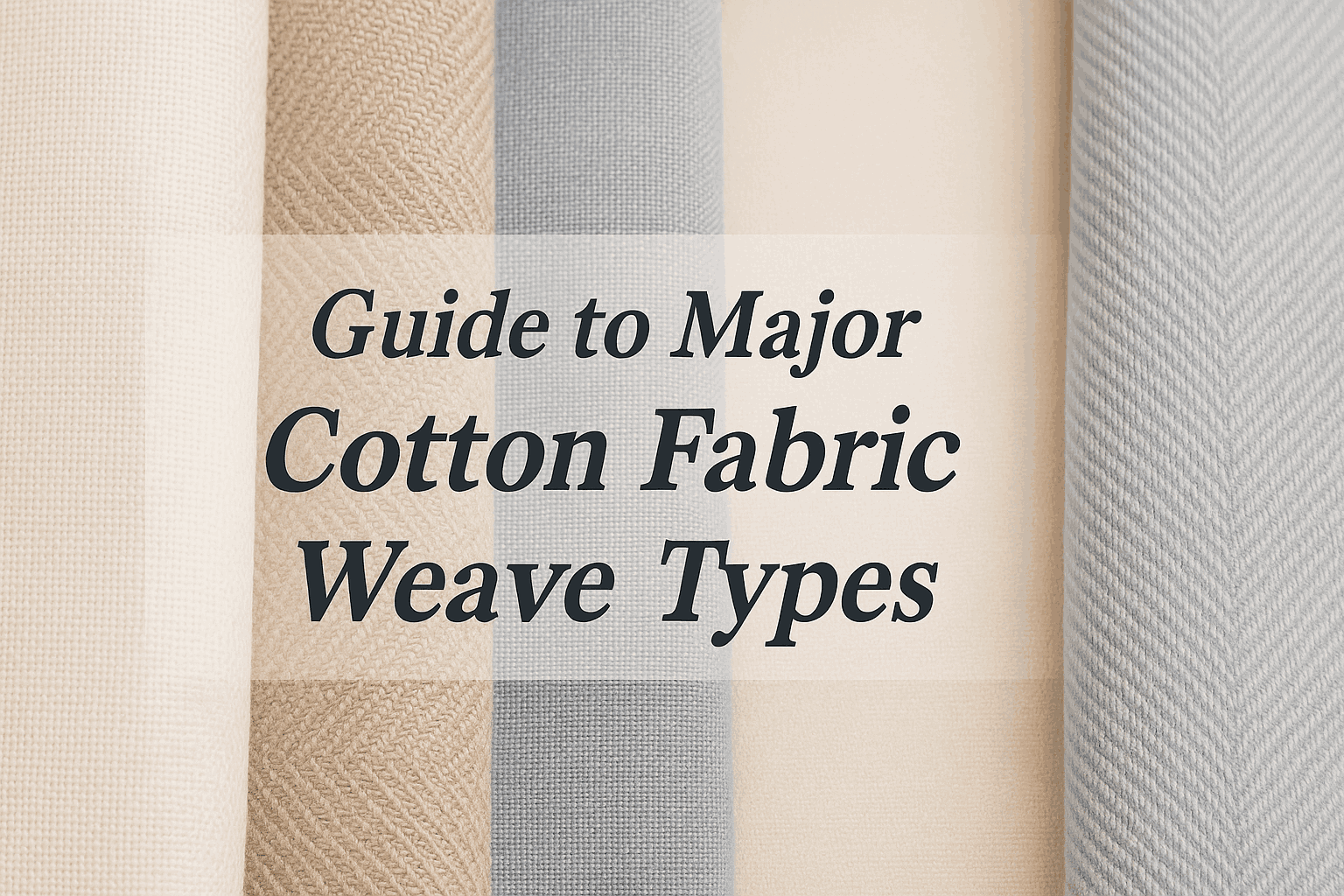
A Complete Guide to Different Types of Cotton Weaves in Fabrics
Cotton is one of the most versatile fabrics in the world, used in everything from shirts and bedsheets to uniforms and industrial textiles. But what makes cotton so adaptable is not just the fibre itself—it’s the way the yarns are woven together. Thetypes of cotton weavesdetermine the strength, texture, durability, and comfort of the final fabric.
Whether it’s the smooth feel of satin, the toughness of drill, or the airy lightness of leno,different cotton weavesserve different purposes across industries. Choosing the right weave is critical for apparel, home textiles, workwear, and technical fabrics.
In this blog, we’ll explore the most commoncotton fabric weave types, their properties, and their applications. We’ll also highlight howRadhey Krishna Cotweaving, thebest cotton fabric manufacturer in India, provides high-quality fabrics in a wide range of weaves, supported by global certifications.
What Are Cotton Weaves?
Aweaverefers to the pattern in which warp (vertical) and weft (horizontal) yarns are interlaced to create fabric. It is different from the fibre itself (cotton, polyester, silk, etc.) because weaving controls the fabric’s appearance, durability, flexibility, and usage.
For example, plain weave fabrics are lightweight and breathable, while drill weave fabrics are heavy-duty and perfect for industrial uniforms. Understandingdifferent types ofcottonfabric weaveshelps manufacturers, designers, and businesses select the right textile for their specific needs.
Major Types of Cotton Weaves
- Plain Weave:Plain weave is the simplest interlacing of warp and weft yarns, forming a crisscross pattern. It is strong, lightweight, and versatile, commonly used in shirts,bedsheets, and everyday clothing where comfort and breathability are essential.
- Twill Weave:Twill weave is known for its diagonal ribbed appearance, created by offsetting interlacings. It is durable, drapes well, and resists wrinkles, making it ideal for jeans, chinos, uniforms, and industrial wear where strength and style are both required.
- Satin Weave:Satin weave produces a smooth, lustrous fabric with yarns floating over several threads before interlacing. This gives a shiny surface and luxurious feel, making it perfect for elegant garments, evening wear, dresses, and premium bedsheets used in home textiles.
- Basket Weave (Matty Weave):Basket weave, or matty weave, is a variation ofplainweave where multiple yarns are grouped and woven together. It creates a textured, thicker fabric used in upholstery, cushions, curtains, and decorative textiles requiring strength and visual appeal.
- Drill Weave:Drill weave is a strong twill variation with tightly woven yarns for durability and comfort. Its sturdy construction makes it highly suitable for workwear, industrial uniforms, trousers, and protective clothing where long-lasting strength and performance are vital requirements.
- Oxford Weave:Oxford weave is a lightweight basket-style construction that is soft, breathable, and durable. It is most commonly used in shirts, particularly casual and formal Oxford shirts, and is valued for its comfort, versatility, and stylish yet practical finish.
- Herringbone Weave:Herringbone weave is a variation of twill, arranged in a distinctivezigzag pattern. It offers durability along with decorative appeal, making it popular for jackets, coats, suiting fabrics, and winter wear where elegance and rugged performance are both desired.
- Duck Weave (Canvas):Duck weave, or canvas, is a heavy-duty plain weave made with thick yarns. Extremely strong and durable, it is widely used in tote bags, shoes, tents, upholstery, and outdoor applications requiring resilience, structure, and long-lasting wear resistance.
- Leno Weave:Leno weave twists warp yarns around weft yarns, creating an open yet stable fabric structure. This allows air circulation while maintaining strength, making it ideal for curtains, mosquito nets, sheer fabrics, and lightweight textiles used in household applications.
- Waffle Weave:Waffle weave is recognised by its honeycomb texture, achieved through a unique interlacing technique. Soft, airy, and absorbent, it is widely used for towels, bathrobes, blankets, and thermal wear, where moisture absorption and comfort are most important features.
- Ripstop Weave:Ripstop weave is reinforced with stronger threads at regular intervals, making it resistant to tearing and ripping. Lightweight yet durable, it is commonly used in outdoor gear, sportswear, military textiles, and tents where performance and reliability are essential.
Comparison Table – Major Types of Cotton Weaves
Weave Type
Key Properties
Common Applications
Plain Weave
Strong, simple, lightweight, breathable
Shirts, bedsheets, casual clothing
Twill Weave
Diagonal ribs, durable, wrinkle-resistant, drapes well
Jeans, chinos, uniforms, industrial wear
Satin Weave
Smooth, lustrous, elegant finish
Dresses, gowns, luxury bedsheets, and evening wear
Basket Weave
Thick, textured, decorative
Upholstery, curtains, cushions, home décor
Drill Weave
Strong twill variation, durable, comfortable
Workwear, uniforms, trousers, protective clothing
Oxford Weave
Lightweight, breathable, soft
Casual and formal shirts, summer wear
Herringbone Weave
Zigzag twill, stylish, durable
Jackets, coats, suits, winter fabrics
Duck Weave (Canvas)
Heavy-duty, tight plain weave, highly durable
Tote bags, shoes, tents, upholstery, outdoor gear
Leno Weave
Open yet stable, allowing airflow
Curtains, mosquito nets, sheer fabrics
Waffle Weave
Honeycomb texture, absorbent, airy
Towels, bathrobes, blankets, thermal wear
Ripstop Weave
Tear-resistant, reinforced with strong yarns
Outdoor gear, sportswear, military textiles, tents
Why Choosing the Right Cotton Weave Matters
Each cotton weave offers unique properties.Plain weaveis lightweight and breathable, making it ideal for everyday clothing.Twill weaveprovides strength and wrinkle resistance, whilesatin weavedelivers luxury and smoothness.
For heavy-duty applications,drilland duck weavesare preferred, whilewaffle weaveis perfect for absorbent textiles like towels. Choosing correctly ensures the fabric performs well in its intended use, delivering durability, comfort, and long-term value.
Radhey Krishna Cotweaving – Best Cotton Fabric Manufacturer in India
When it comes to sourcingdifferent cotton weaves, businesses need a manufacturer who can provide consistency, quality, and innovation.Radhey Krishna Cotweavinghas earned its reputation as thebest cotton fabric manufacturer in India, offering a wide portfolio ofcotton fabric weave types,including plain,twill, drill, Oxford, herringbone, and more.
The company usesadvanced weaving technologyto produce precision fabrics while maintaining strict quality assurance at every stage. Withcustomisation options in GSM, finishes, and colours, Radhey Krishna Cotweaving caters to industries ranging from fashion to industrial textiles.
Certifications Ensuring Trust & Sustainability
Radhey Krishna Cotweavingis committed to sustainable and ethical practices, backed by globally recognised certifications:
- GOTS(Global Organic Textile Standard)– For organic cotton fabrics.
- GRS (Global Recycled Standard)– For recycled cotton content.
- BCI (Better Cotton Initiative)– Promoting responsible cotton sourcing.
- OekoTex Standard 100– Guaranteeing fabrics are free from harmful chemicals.
- BCI (Better Cotton Initiative)– Promoting responsible cotton sourcing.
- OekoTex Standard 100– Guaranteeing fabrics are free from harmful chemicals. With completetraceability and transparency, these certifications ensure customers receive fabrics that meet international standards of sustainability and safety.
Final Thoughts
Thetypes of cotton weavesplay a crucial role in defining the fabric’s functionality, durability, and appearance. Fromplain and twilltodrill, waffle, and ripstop, each weave serves a unique purpose across apparel, home, and industrial textiles. Understanding thesedifferent cotton weaveshelps businesses choose the right textile for their specific needs.
As thebest cotton fabric manufacturer in India, Radhey Krishna Cotweaving offers a comprehensive range ofdifferent types of cotton weaves, backed by global certifications and sustainable practices. Whether you need fabrics for fashion, home décor, or workwear, Radhey Krishna Cotweaving ensures quality, consistency, and innovation in every weave.
Looking to source premium fabrics in variouscotton fabric weave types?Contactustoday for certified, durable, and customised cotton solutions.
FAQs
What are the main types of cotton weaves?
The maintypes of cotton weavesinclude plain, twill, satin, basket, drill, Oxford, herringbone, duck (canvas), leno, waffle, and ripstop. Each weave has distinct properties that define strength, texture, and suitable applications across industries.
Which cotton weave is best for workwear fabrics?
Drill weaveis the most popular choice for workwear fabrics because of its durability, comfort, and resistance to heavy use. Its tightly woven twill structure makes it ideal for uniforms, protective gear, and industrial applications.
What is the difference between plain weave and twill weave?
Plain weave is simple, lightweight, and breathable, commonly used in shirts and bedsheets.Twill weave, however, features diagonal ribs, offering more strength, wrinkle resistance, and drape, making it suitable for trousers, jeans, and workwear.
What certifications does Radhey Krishna Cotweaving hold?
Radhey Krishna Cotweaving holdsGOTS, GRS, RCS Blended, OCS 100, BCI, and OekoTex Standard 100 certifications, ensuring fabrics are sustainable, organic, recycled, responsibly sourced, and free from harmful chemicals, with full transparency and traceability across every production stage.
Which cotton weave is best for towels and bathrobes?
Waffle weaveis best for towels and bathrobes due to its honeycomb-like texture, high absorbency, and airy structure. It combines comfort with functionality, making it perfect for bathroom textiles and thermal wear applications.
Can Radhey Krishna Cotweaving provide customised cotton weaves?
Yes. Radhey Krishna Cotweaving offerscustomised cotton fabricsin different GSMs, colours, finishes, and weave patterns. This flexibility allows businesses to source fabrics tailored to their specific industry needs, from apparel and home textiles to industrial workwear.