
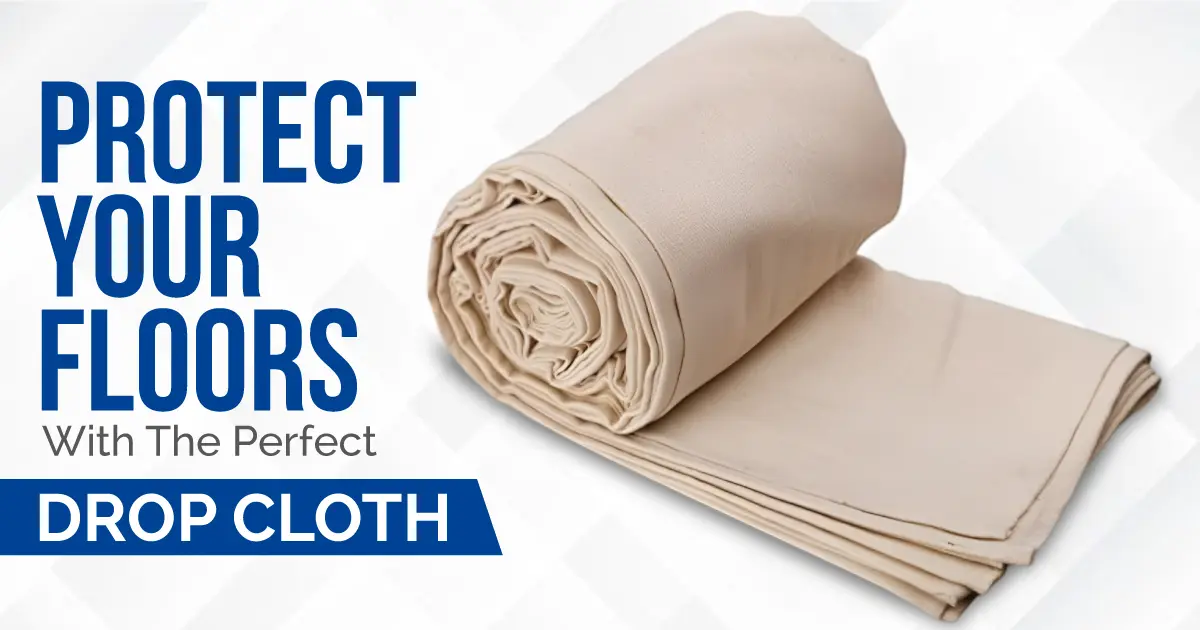
How to Choose a Drop Cloth - A Complete Buyer’s Guide
Whether you’re painting a wall, renovating your space, or doing some weekend DIY, there’s one thing you don’t want to forget –a good drop cloth. It’s the simple tool that protects your floors, furniture, and surfaces from spills, dust, and debris.
But with so many options available – canvas, plastic, paper, poly-backed – it’s easy to get confused abouthow to choose a drop cloththat fits your needs.
In this guide, we’ll make it easy for you to pick the right one. Let’s dive in!
Why Drop Cloths Are Essential for Any Project
Before we get into the types, here’s why youshould never skip a drop clothduring a paint or repair job:
- Protects Surfaces: Keeps paint, dust, and debris off your floor, carpet, and furniture.
- Prevents Slips: Reduces chances of slipping on wet or dusty surfaces.
- Saves Cleanup Time: Speeds up cleaning after the project.
- Looks Professional: Makes your work area tidy and organized.
Types of Drop Cloth Materials - Pros & Cons
Understanding eachdrop cloth materialis key to making the right choice.
1.Canvas Drop Cloths
Canvas is a thick cotton fabric that’sdurable, eco-friendly, and reusable.
Pros:
-
Absorbs paint well, no dripping or smearing
-
Stays in place – doesn’t slide around like plastic
-
Can be washed and reused multiple times Cons:
-
Not 100% waterproof (unless treated or backed)Slightly more expensive than plastic or paper
-
Slightly more expensive than plastic or paper Best For: Professional painting, home renovations, floor protection
2. Plastic Drop Cloths
These arelightweight, waterproof, and disposablesheets made from polyethylene.
Pros:
-
Totally waterproof
-
Cheap and widely available
-
Easy to fold and store Cons:
-
Slippery on tile or wood floors
-
Can tear easily
-
Not eco-friendly Best For: Covering furniture, quick indoor projects
3. Paper Drop Cloths
Simple, cheap, and good for small tasks.
Pros:
-
Great for trim painting and baseboards
-
Easy to use and throw away
-
Doesn’t allow paint to bleed through (for light jobs) Cons:
-
Not reusable
-
Not suitable for large areas or wet projects Best For: Small, one-time painting tasks
4. Poly-Backed Canvas Drop Cloths
These combine thedurability of canvaswith aplastic backingfor full waterproof protection.
Pros:
-
Reusable and long-lasting
-
Fully waterproof – ideal for messy jobs
-
Safe for hardwood and tiled floors Cons:
-
Heavier and costlier
-
May need folding and storage space Best For: Heavy-duty painting, water-based jobs, high-traffic areas
How to Choose the Right Drop Cloth for Your Needs
Now that you know the materials, here’s how to decidewhich drop cloth is best for you.
Consider the Project Type
- Wall painting? Go with canvas or poly-backed.
- Ceiling touch-ups? Use plastic to cover furniture.
- Trims and corners? Try paper drop cloths.
Think About the Surface You’re Protecting
- Hardwood floors: Avoid plastic unless it has non-slip features.
- Furniture: Plastic or lightweight canvas works great.
- Outdoor spaces: Go for thick canvas or poly-canvas.
Match Your Budget & Goals
- One-time use: Choose plastic or paper.
- Long-term use: Invest in canvas or poly-backed canvas.
Drop Cloth Sizes and Coverage Guide
Here are some common sizes and what they cover:
Pro Tip: Overlap two drop cloths if your space is wider than standard sizes.
Why Choose Canvas Fabric from Radhey Krishna Cotweaving
AtRadhey Krishna Cotweaving, we’re experts in fabric. Our high-qualityfabricsare trusted by professionals worldwide.
Here’s what sets ourcanvas drop cloth materialapart:
- Variety of GSM options– From 200 to 470 GSM to suit every project
- Available in 100% cotton and poly-cotton blends
- Customizable sizes and finishes
- Eco-friendly, export-quality production Whether you’re manufacturing drop cloths or using them in your business, we offer durable, versatile, and cost-effective canvas solutions tailored to your needs.
View our products at rkcotweaving.com
Conclusion
Knowinghow to choose a drop clothis all about understanding your project, surface type, and whether you want something reusable or disposable. Canvas is the top choice for long-term use, while plastic or paper may work for quick jobs.
AtRadhey Krishna Cotweaving, we manufacture top-gradecanvas fabricsdesigned for heavy-duty applications like drop cloths. Whether you’re sourcing for your brand or a one-time project, we’ve got you covered.
Need reliable canvas for drop cloth manufacturing or bulk purchase?Get in touch with us todayfor custom options and expert support.
FAQ’s
Which drop cloth material is best overall?
Canvas is the best all-rounder. It’s reusable, eco-friendly, and absorbs paint well.
Are canvas drop cloths waterproof?
Yes! Especially thick canvas or poly-backed ones, which offer water protection.
Are plastic drop cloths safe for floors?
Not really – they can be slippery. Use poly-backed canvas or secure plastic properly.
What size drop cloth do I need for a room?
A 9×12 ft drop cloth usually works well for most rooms.